écrits commun

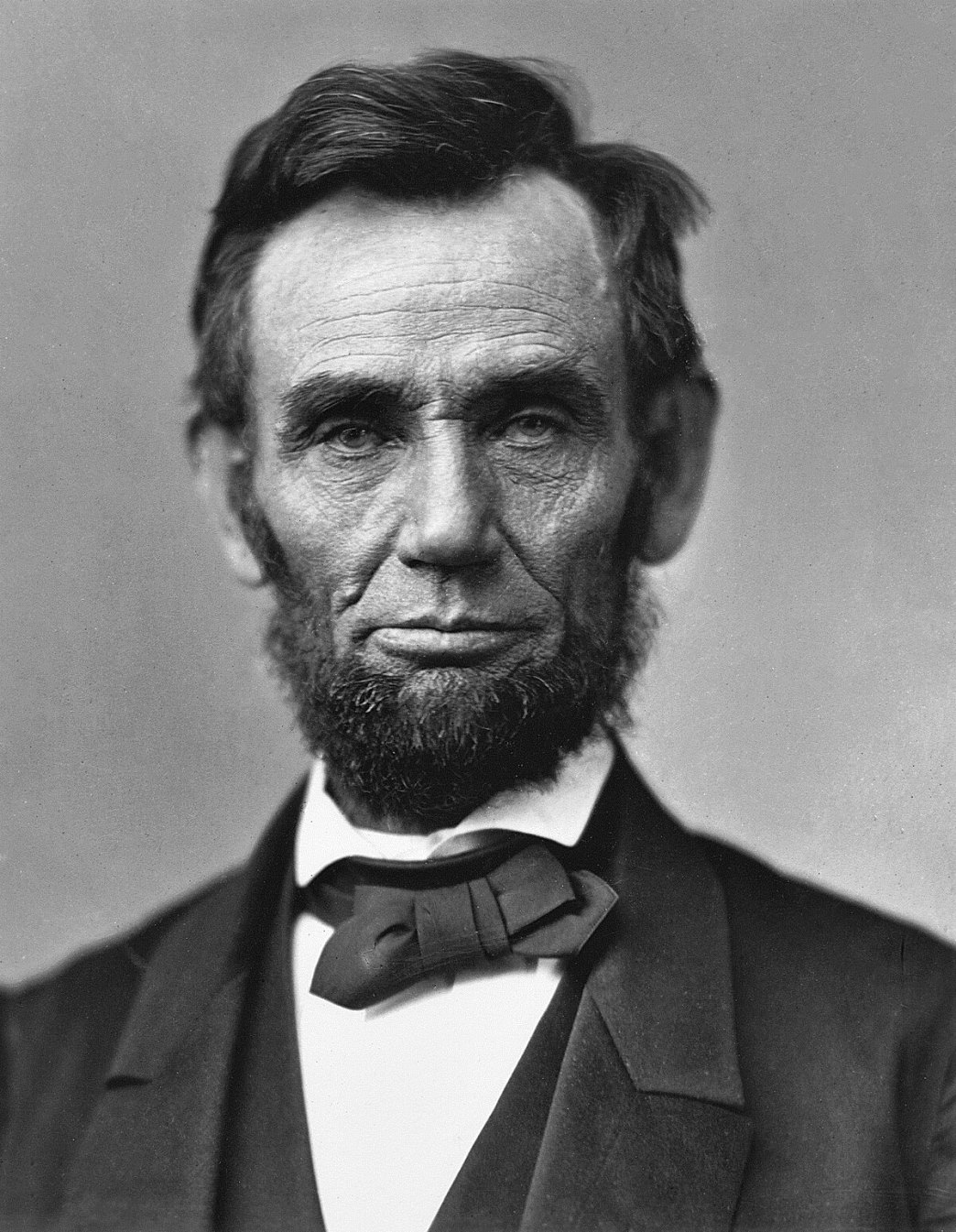
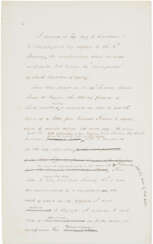
Abraham Lincoln was an American statesman and politician, the 16th President of the United States (March 4, 1861 - April 15, 1865).
The son of a frontiersman and a Kentucky farmer, Lincoln worked hard from an early age and struggled to learn. He was a militiaman in the Indian War, practiced law, and sat in the Illinois legislature for eight years. He was an opponent of slavery and gradually gained a national reputation that earned him victory in the 1860 presidential election.
After becoming the 16th president of the United States, Abraham Lincoln turned the Republican Party into a strong national organization. In addition, he drew most Northern Democrats to the Union side. On January 1, 1863, he issued the Emancipation Proclamation, which declared permanently free those slaves who were in Confederate territory. Lincoln considered secession illegal and was prepared to use force to defend federal law and the Union. Four more slave states joined the Confederacy, but four remained in the Union, and the Civil War of 1861-1865 began.
Lincoln personally directed the military action that led to victory over the Confederacy. Abraham Lincoln was reelected in 1864, and on April 14, 1865, he was fatally shot at Ford's Theatre in Washington, D.C. by actor John Wilkes Booth.
Abraham Lincoln is a national hero of the American people, he is considered one of the best and most famous presidents of the United States until today.





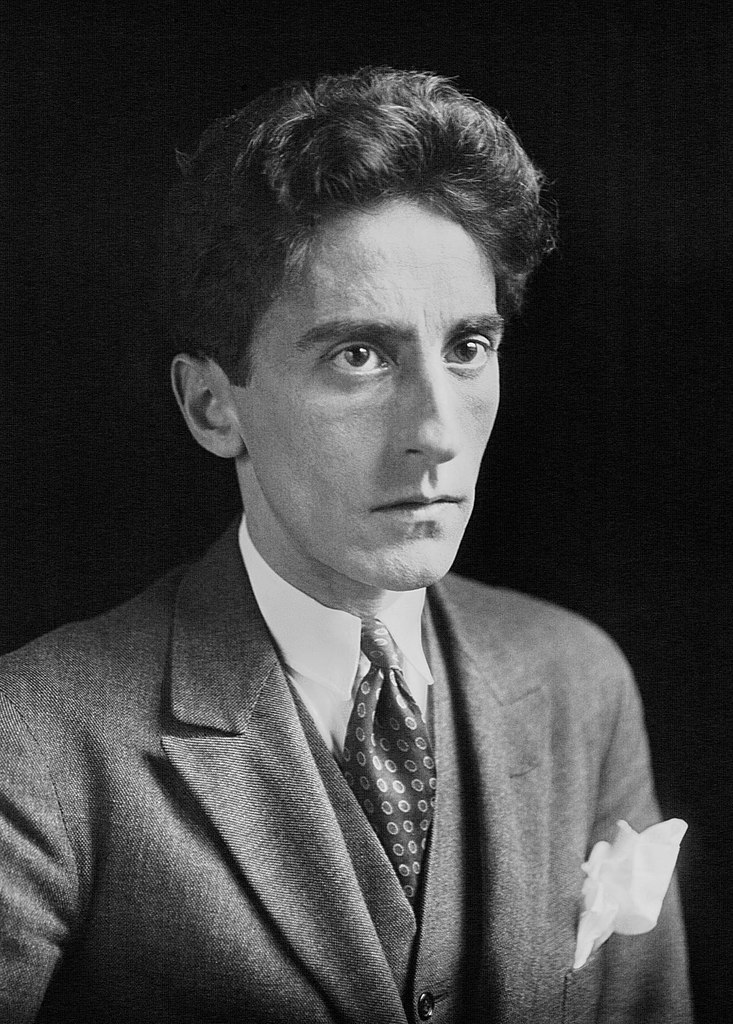
Jean Maurice Eugène Clément Cocteau was a French poet, playwright, novelist, designer, filmmaker, visual artist and critic. He was one of the foremost creatives of the surrealist, avant-garde, and Dadaist movements; and one of the most influential figures in early 20th-century art as a whole. The National Observer suggested that, “of the artistic generation whose daring gave birth to Twentieth Century Art, Cocteau came closest to being a Renaissance man.”
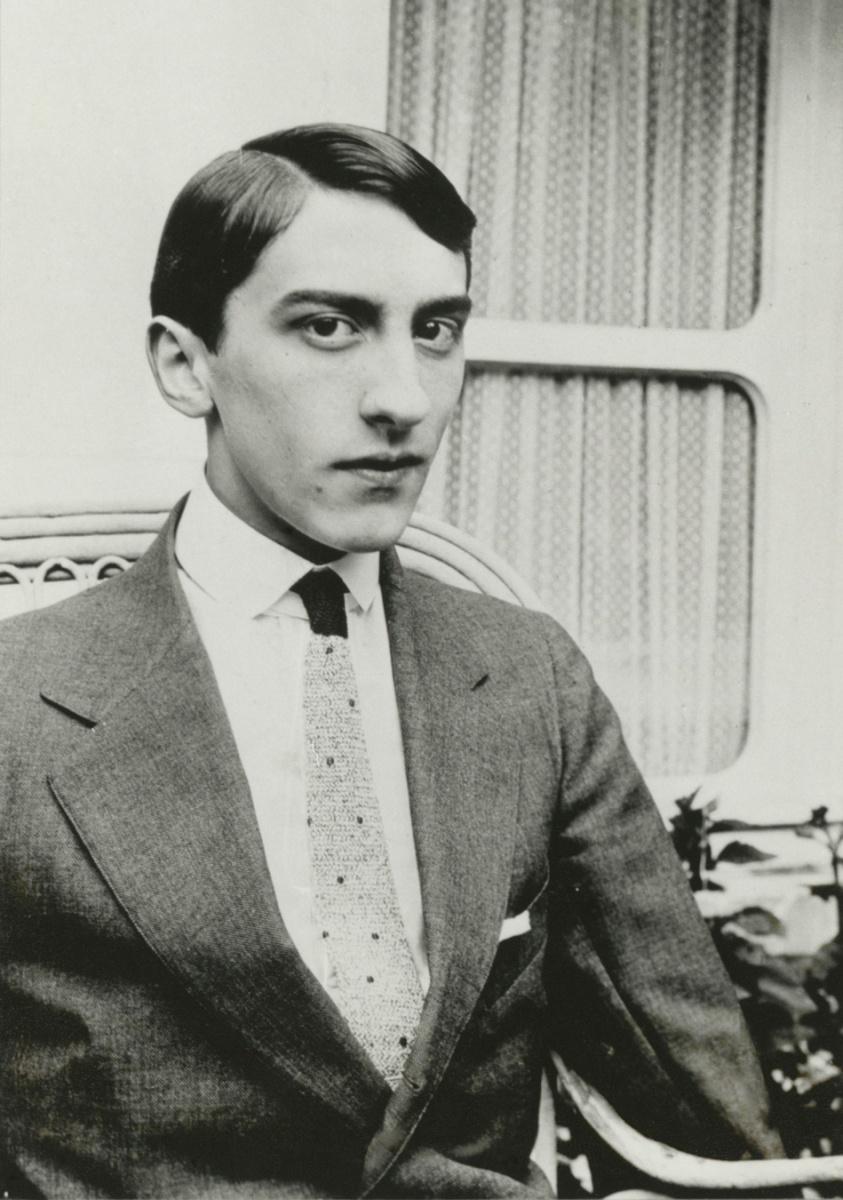






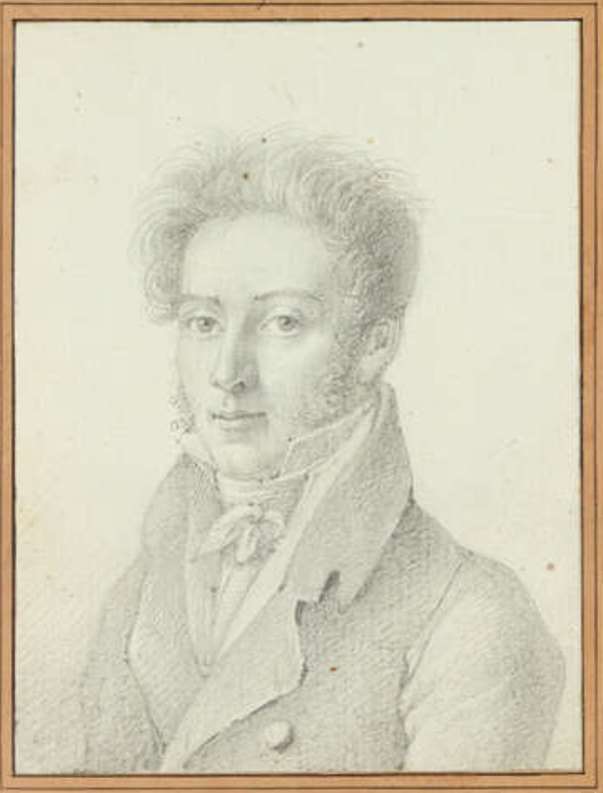
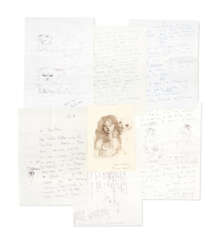

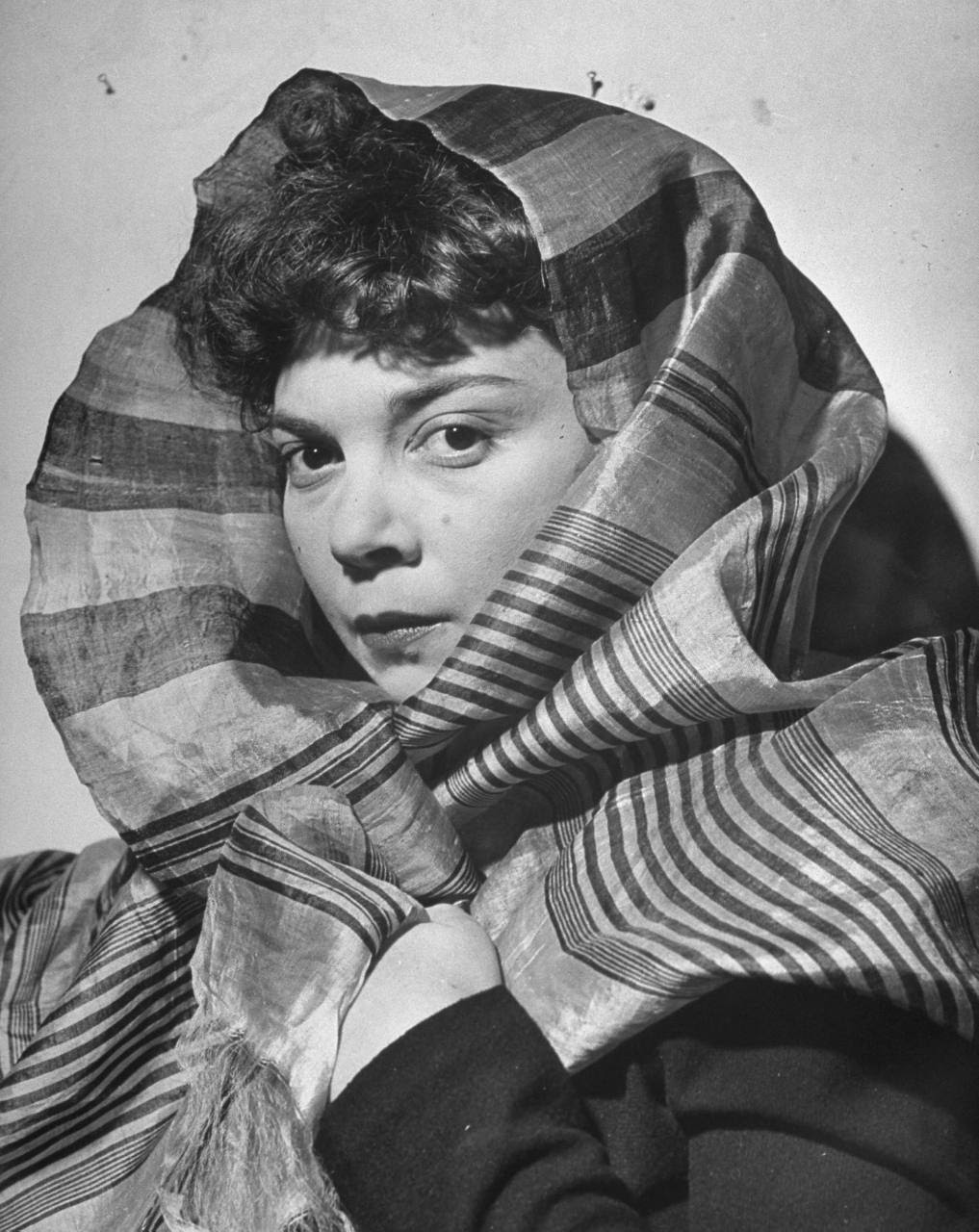
Leonor Fini was an Argentinian born Italian surrealist painter, designer, illustrator, and author, known for her depictions of powerful and erotic women.

![BRETON, André (1896-1966) [& Sigmund FREUD (1856-1939)]](/assets/image/picture_4604878/def7d/9fb8ac4d2c1ce569c01925107af54abb1747864800jpg__fix_374_244.jpeg)
![BRETON, André (1896-1966) [& Sigmund FREUD (1856-1939)]](https://veryimportantlot.com/assets/image/picture_4604878/def7d/9fb8ac4d2c1ce569c01925107af54abb1747864800jpg__fix_374_244.jpeg)
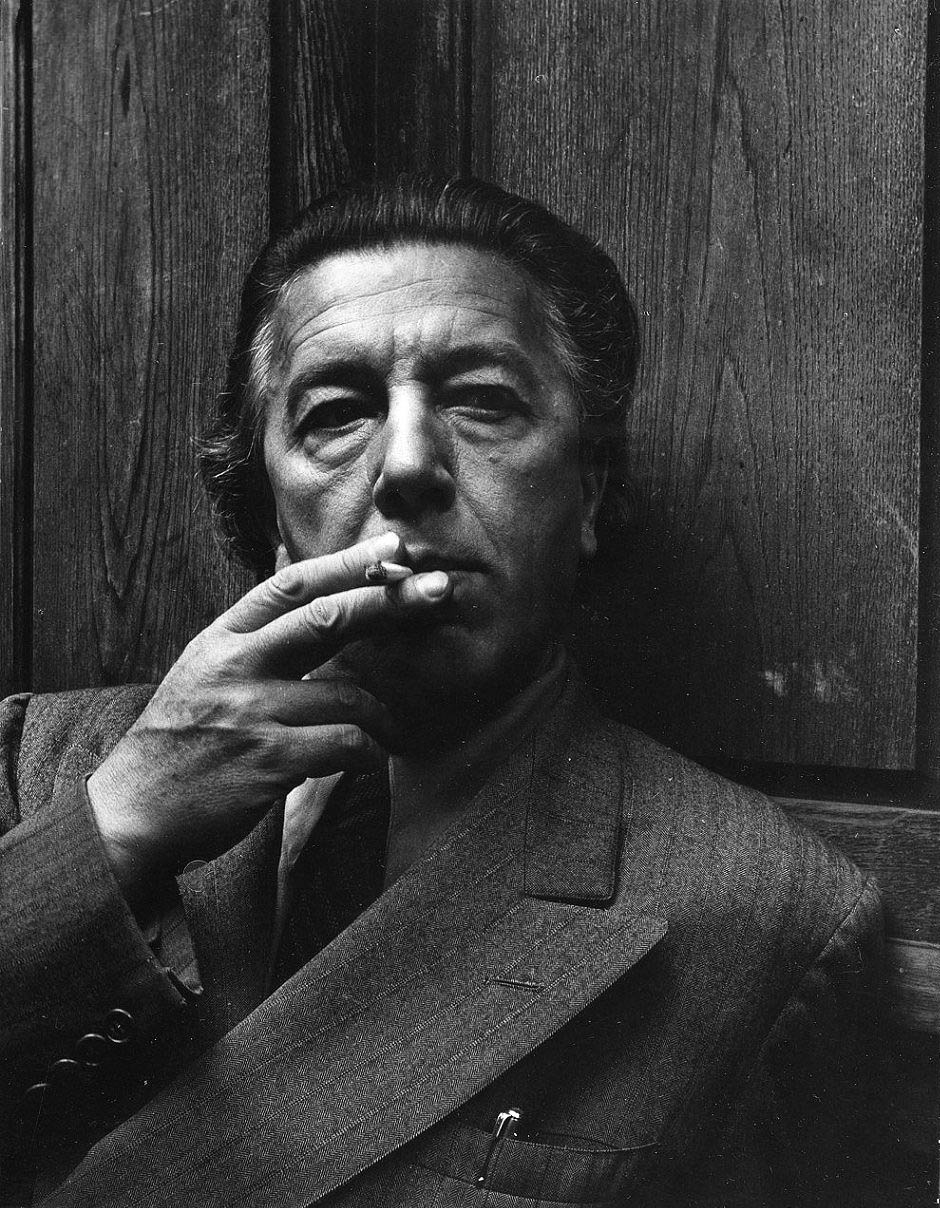
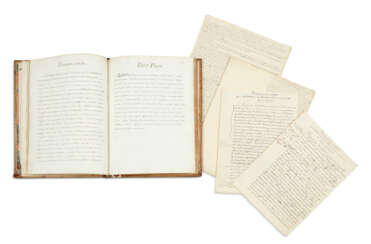
André Breton was a French writer, poet, and anti-fascist, renowned as the principal founder and leading theorist of Surrealism, an influential movement that sought to release the creative potential of the unconscious mind. Born in Tinchebray, France, in 1896, Breton's work was deeply influenced by the theories of Sigmund Freud and was characterized by a fascination with dreams, the irrational, and the workings of the mind. As a cultural icon, his contributions extended beyond literature into the realms of art, sculpture, and painting, making him a pivotal figure in 20th-century artistic movements.
Breton's seminal work, the "Manifesto of Surrealism" (1924), outlined the principles of the movement, advocating for the expression of the subconscious and the importance of dreams as a source of artistic inspiration. His leadership and writings not only shaped Surrealism but also had a lasting impact on the broader culture of art, influencing countless artists, painters, and sculptors. Breton's ability to merge poetry with visual arts led to collaborations with prominent artists like Salvador Dalí, Max Ernst, and Joan Miró, further cementing his legacy as a central figure in modern art.
Notably, André Breton's works and personal collection, which included art pieces and surreal objects, have been displayed in museums and galleries worldwide, showcasing his eclectic taste and profound influence on the art world. His Paris apartment was a gathering place for artists and intellectuals, becoming a hub of Surrealist activity and thought. For collectors and experts in art and antiques, Breton's contributions represent a fascinating intersection of literary prowess and visual creativity, highlighting the enduring relevance of Surrealism.
For those interested in exploring the depths of Surrealism and André Breton's groundbreaking contributions, signing up for updates can provide exclusive access to new product sales and auction events related to this pivotal artist and thinker. This subscription is an invaluable resource for collectors and enthusiasts keen to deepen their understanding of Breton's influence and the broader cultural movements he shaped.
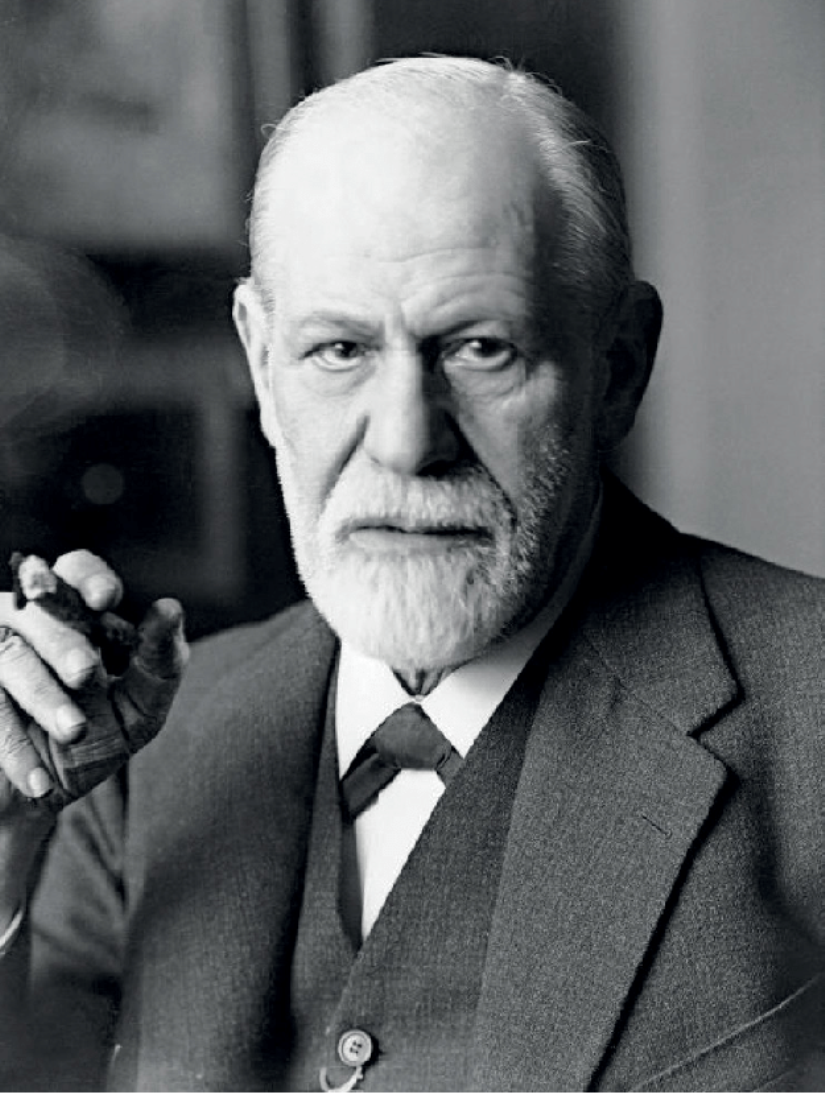
igmund Freud, born Sigismund Schlomo Freud, was an Austrian psychologist, psychiatrist and neurologist, the founder of psychoanalysis.
He graduated from the medical faculty of the University of Vienna, was engaged in self-education and numerous, cutting-edge for his time studies of the human psyche. The resulting psychoanalysis he created was both a theory of the human psyche, a therapy to alleviate its ills, and a tool for interpreting culture and society. Freud's psychoanalysis had a significant impact on psychology, medicine, sociology, anthropology, literature and art in the twentieth century.
Despite the sometimes harsh criticism of virtually all of his ideas and teachings, which continues almost a century after his death, Freud remains one of the most influential intellectual figures of our time.
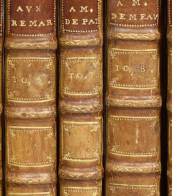
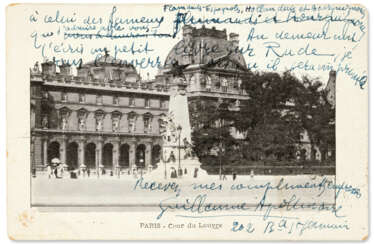

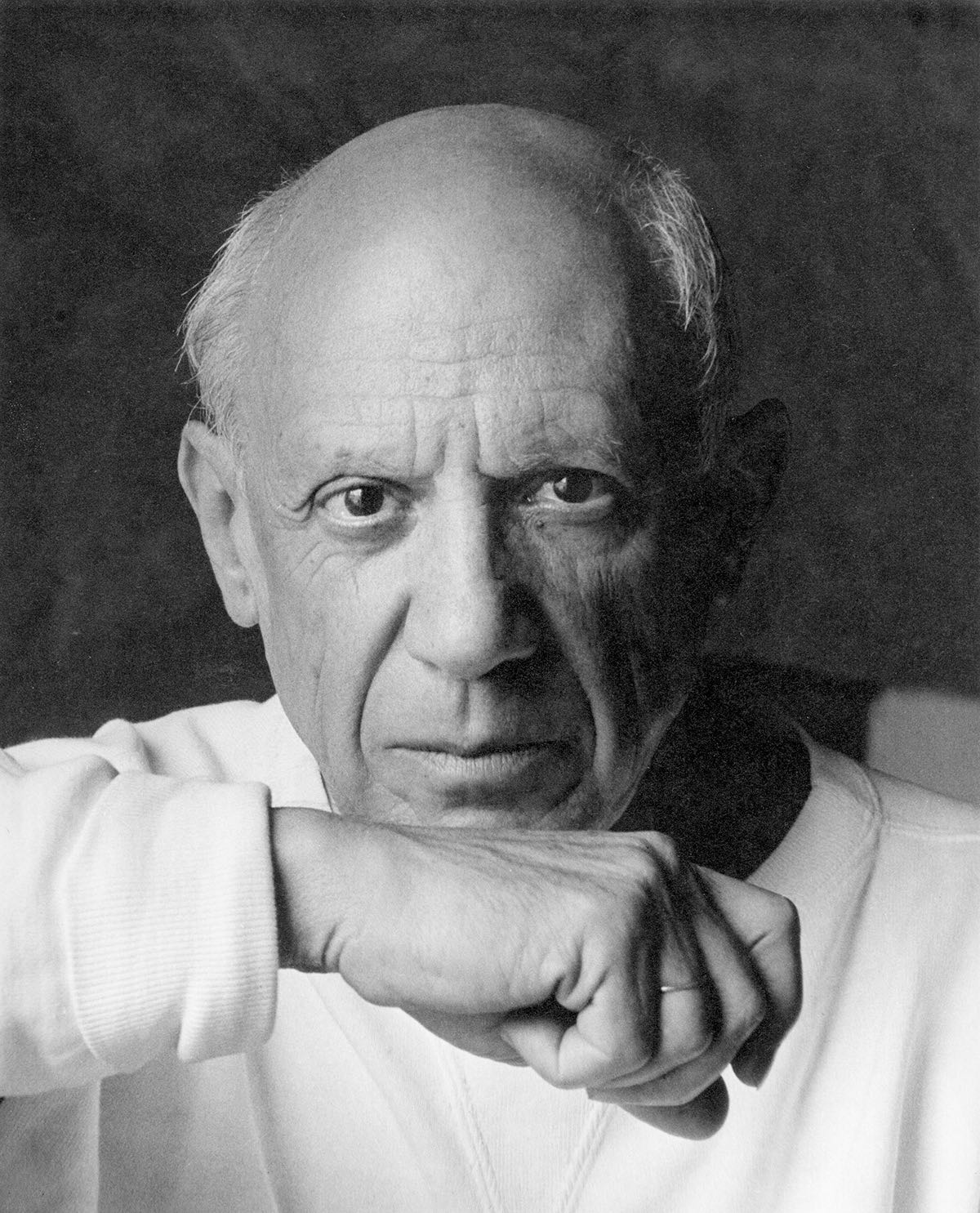
Pablo Ruiz Picasso, a Spanish artist renowned for his revolutionary contributions to the 20th-century art scene, is a figure that resonates profoundly with collectors and art experts. His unique blend of talents in painting, sculpture, printmaking, and ceramic art, infused with his time in France, positioned him as a pivotal character in modern art history.
Picasso's artistic journey was marked by distinct periods, each showcasing his evolving style and genius. His early years were characterized by the Blue Period (1901-1904), followed by the Rose Period (1904-1906), and then the African-influenced Period (1907-1909). Picasso's name is synonymous with Cubism, a movement he co-founded, which significantly altered artistic perspectives and methods. Works like "Les Demoiselles d'Avignon" (1907) and "Guernica" (1937) are emblematic of his cubist legacy, the latter being a poignant anti-war statement that remains influential.
His later years saw a return to more traditional styles, with neoclassical and surrealist influences becoming evident. Works from these phases reflect a deep engagement with mythological themes, as seen in "Faun with Stars" (1955), symbolizing his late-life romance with Jacqueline Roque, his second wife.
Picasso's prolific output and innovative spirit made him a legend in his own time, a status that only grew after his death. His works, housed in major museums and private collections worldwide, continue to captivate and inspire.
As a collector or expert in art and antiques, staying informed about Picasso's works, their auction events, and sales is essential. To stay updated on the latest developments and opportunities related to Pablo Picasso, sign up for our specialized updates. Rest assured, this subscription will focus solely on new product sales and auction events pertaining to Picasso's art, ensuring that you receive only the most relevant and valuable information.
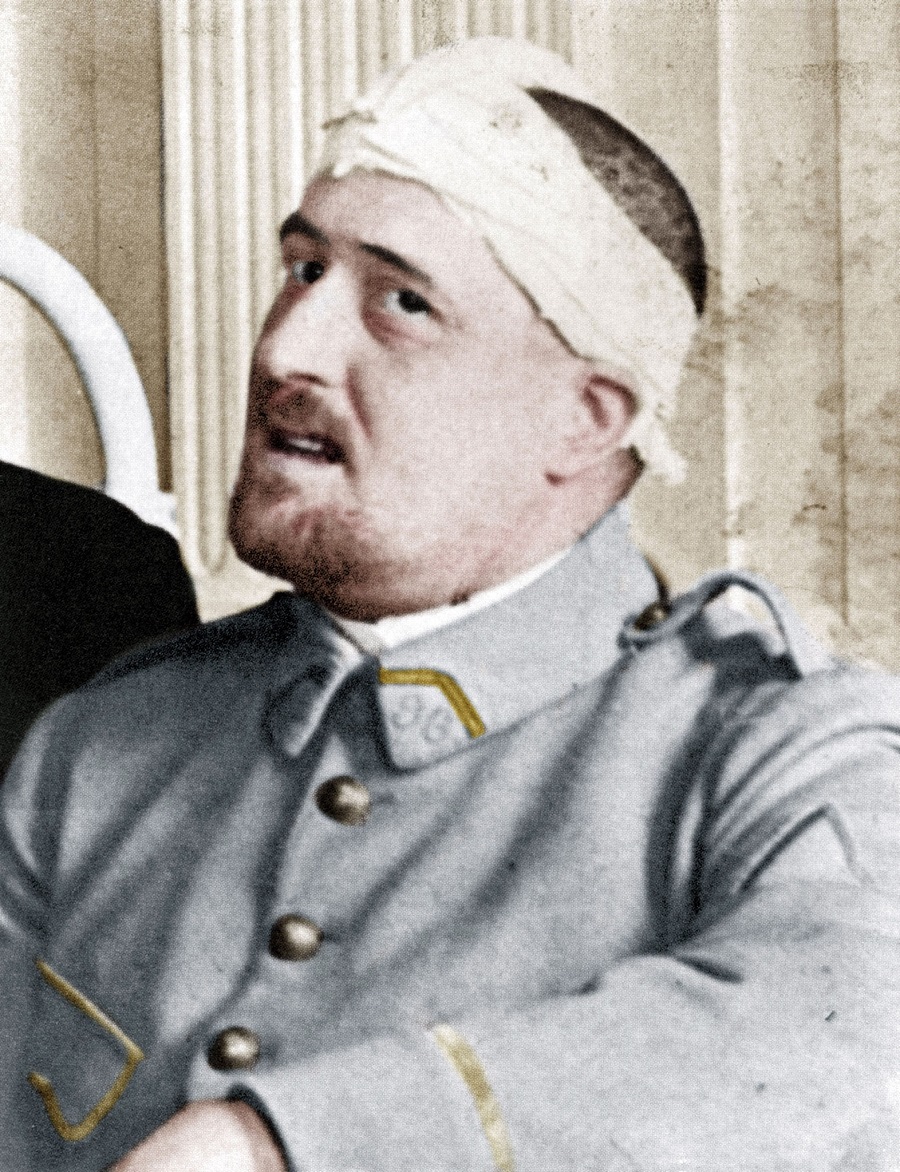
Guillaume Apollinaire, real name Wilhelm Albert Vladimir Apollinaris de Wąż-Kostrowicki, a French poet of Polish descent, was a towering figure in the early 20th century's literary and art scenes. Known for his experimental verse and support of avant-garde art movements like Cubism and Surrealism, Apollinaire's work pushed the boundaries of traditional aesthetics and inspired a generation of artists and writers.
Guillaume Apollinaire's literary contributions were vast and varied. He was an early advocate for Cubism, a relationship most prominently seen in his collaborations with artists like Pablo Picasso. He not only wrote about art but also collected it, surrounding himself with works by modernist masters such as Henri Rousseau and Georges Braque. His Paris apartment was a small museum of modern art, filled with pieces he often sold to support his literary endeavors. This vibrant artistic environment fueled his creativity, leading to major works such as Alcools and Calligrammes, which explored the possibilities of poetic form and typography to represent visual and verbal content in a unified way.
Despite his innovative work in poetry and art criticism, Guillaume Apollinaire's life was marked by personal challenges, including a grievous injury during World War I. Yet, even these difficulties did not hinder his prolific output. Among his notable works during this period was the play Les Mamelles de Tirésias, which was performed in 1917 and is considered a precursor to theatrical Surrealism.
Apollinaire's influence extended beyond his lifetime, particularly through his mentoring of future Surrealist leaders like André Breton. His forward-thinking approach to art and literature made him a central figure in the transition from traditional to modernist forms in both fields.
For collectors and experts in art and antiques, Guillaume Apollinaire's work represents a nexus of literary brilliance and pivotal artistic movements. His life and work provide fascinating insights into the dynamic and transformative world of early 20th-century art and literature.
Sign up for updates on auctions and sales events featuring items related to Guillaume Apollinaire. Stay informed about opportunities to acquire unique artifacts that celebrate his legacy in the realms of poetry and art.


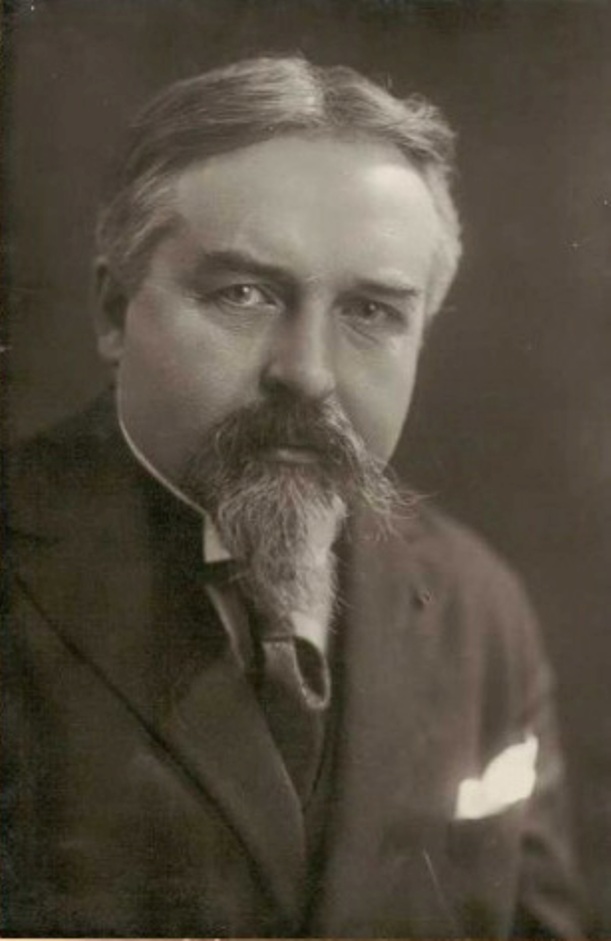
Maurice Denis, a French painter and writer, was an influential figure in the transition from impressionism to modern art. Born on November 25, 1870, in Granville, France, Denis's artistic journey began at the Académie Julian in Paris. Here, he met future collaborators like Paul Sérusier and Pierre Bonnard, with whom he later formed the Nabis group, a collective deriving its name from the Hebrew word "Nabi," meaning "Prophet".
Denis's style evolved from neoimpressionism, influenced by artists like Seurat, to a more decorative and colorful approach under the influence of Gauguin. This shift is evident in works like "Taches du soleil sur la terrace" (1890). He famously stated, "Art is no longer a visual sensation... it is a creation of our spirit," highlighting his belief in art as an idealistic expression, transcending mere imitation of nature.
Denis was also impacted by Japanese art, which influenced his compositions and styles, contributing to his unique and recognizable approach. His philosophy on art, encapsulated in his 1890 essay published in "Art et Critique," emphasized the importance of color and form in creating emotional depth, a notion that laid the groundwork for modernism. He argued that a painting's essence lies in its colors and composition, rather than its subject matter.
Throughout his career, Denis's work evolved towards a more classical approach. His involvement with the Ateliers d'Art Sacré, founded in 1919, demonstrated his interest in religious art and decoration. His notable works include "The Legend of Saint Hubert" (1897) and "The History of Music" for the Théâtre des Champs Elysées (1912-1913).
Tragically, Maurice Denis's life ended on November 13, 1943, when he was struck by a truck during the German occupation of Paris. However, his legacy endures through his contributions to modern art and symbolism, his influence on fellow artists, and his works displayed in various museums and galleries.
For collectors and art experts, Denis's work offers a unique glimpse into the evolution of modern art. His blend of symbolism, color, and form marks a significant shift in art history. To stay updated on new sales and auction events related to Maurice Denis's work, sign up for our newsletter. This subscription will keep you informed about the latest developments in the world of this remarkable artist.
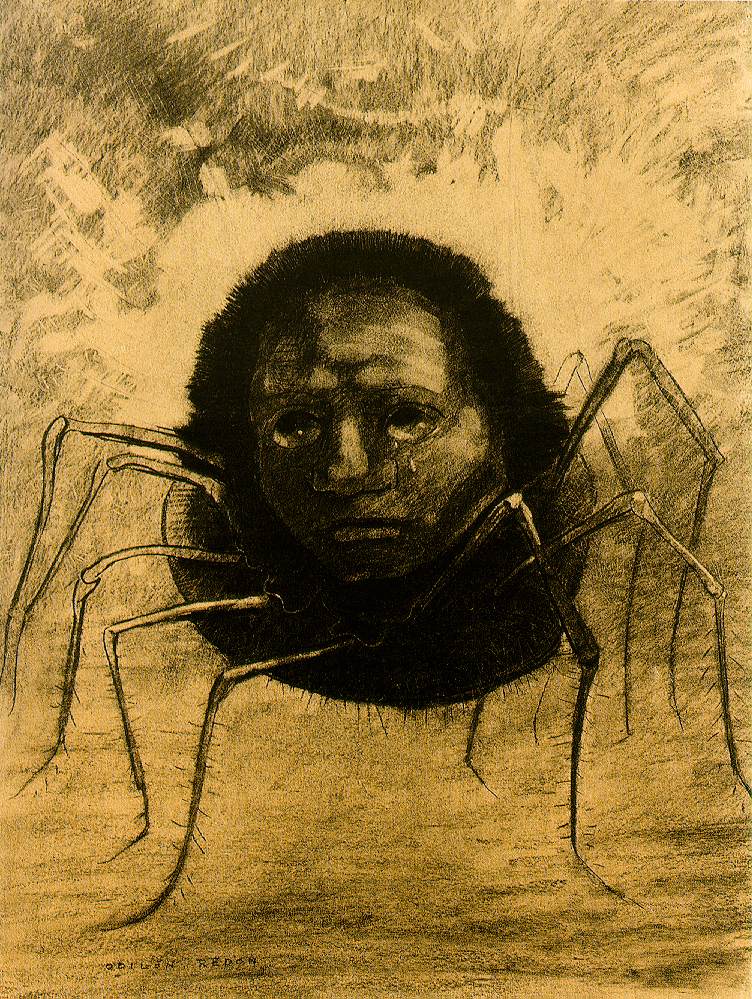
Odilon Redon was a prominent French artist, renowned for his unique contributions to the Symbolist movement. His artistic journey began with a focus on charcoal and lithography, creating works known as "noirs" that reflected a deep, dream-like quality. Redon's art evolved to incorporate vibrant colors and themes, often inspired by Buddhist and Hindu cultures. Notably, his paintings such as "The Death of Buddha" and "The Buddha," alongside others, displayed his fascination with Eastern philosophies and their integration into his art.
Redon's works are celebrated for their evocative, almost mystical qualities, blending elements of the natural world with fantastical, often surreal imagery. His attention to detail in portraying flowers, plants, and imaginary creatures reflected his interest in natural sciences and botany. This interplay between the real and the imagined is a hallmark of his work, making him a pivotal figure in the Symbolist movement.
His influence is evident in various collections and museums. For instance, the Musée d'Orsay in Paris houses some of his most significant works, including his decorative panels for the Château de Domecy-sur-le-Vault. These panels marked a transition in his style from ornamental to more abstract painting. Additionally, the Getty Museum in California and the Los Angeles County Museum of Art hold significant collections of Redon's works.
For art collectors and enthusiasts, Odilon Redon's work represents a blend of imagination, deep emotional resonance, and a unique interpretation of Symbolist ideas. His ability to capture the unseen and give it form on canvas or paper makes his work a valuable addition to any collection.
If you're interested in staying updated on sales and auction events featuring Odilon Redon's art, signing up for updates can be a great way to stay informed. This subscription is specifically tailored for new product sales and auction events related to Odilon Redon, offering a focused and business-like approach to your art collection interests.
.jfif)
Camille Pissarro, a Danish-French artist, was a linchpin of the Impressionist and Neo-Impressionist movements. Born in 1830 on the island of St. Thomas, Pissarro's Jewish-Portuguese heritage and upbringing in the Danish West Indies infused his work with a unique perspective. He is celebrated for his depictions of rural and urban French life, particularly his landscapes that eschew artifice, highlighting the simple beauty of the natural world and the dignity of common people.
Pissarro's influence on the art world was profound. Not only was he a central figure in the Impressionist movement, helping to organize the collective's exhibitions, but he also mentored future Post-Impressionist masters like Cézanne, Gauguin, and van Gogh. His colleagues revered him for his wisdom, balance, and warmhearted nature. Pissarro's dedication to the Impressionist ethos was unparalleled; he was the only artist to exhibit in all eight Paris Impressionist exhibitions from 1874 to 1886.
Among his notable works, Pissarro's 'Hay Harvest at Eragny' (1887) exemplifies his shift towards Neo-Impressionism. This piece, housed at the Van Gogh Museum in Amsterdam, showcases his exploration of tonal values and pointillism. Another poignant work, 'Jeanne Holding a Fan', captures the fragile beauty of his young daughter during her illness, and is a testament to his ability to convey deep personal emotion through art. This work is displayed at The Ashmolean Museum in Oxford.
For art collectors and enthusiasts, Pissarro's works remain a testament to the transformative power of Impressionism and its impact on modern art. His paintings, characterized by their revolutionary depictions of everyday life and nature, continue to be celebrated in major museums around the world.
To stay informed about upcoming sales and auction events featuring works by Camille Pissarro, sign up for our updates. This subscription is an opportunity for collectors and art experts to connect with the enduring legacy of one of Impressionism's pivotal figures.


![[COLLECTIF - REVUE]](/assets/image/picture_2426361/297eb/604d3fff1c1869e17f52167c7eb4a31ajpg__fix_374_244.jpeg)
![[COLLECTIF - REVUE]](https://veryimportantlot.com/assets/image/picture_2426361/297eb/604d3fff1c1869e17f52167c7eb4a31ajpg__fix_374_244.jpeg)









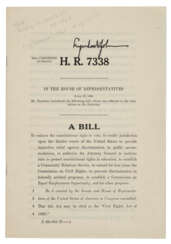

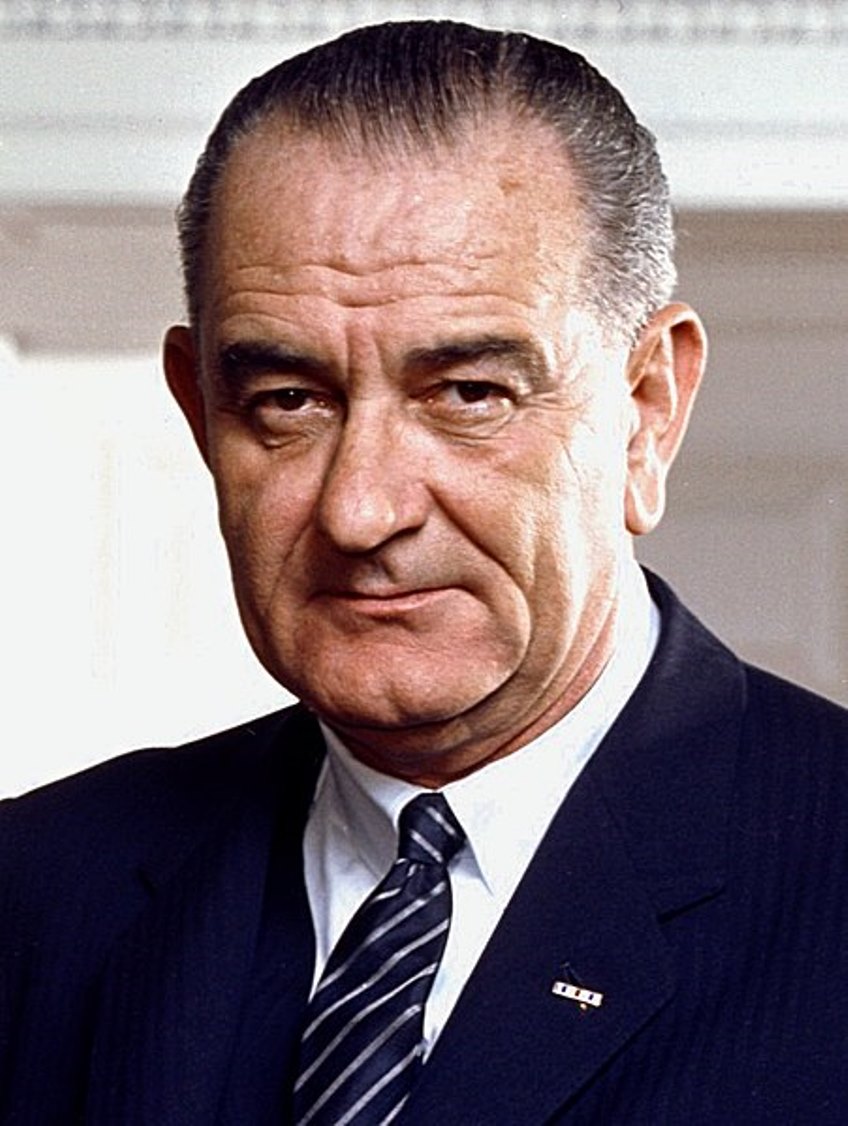
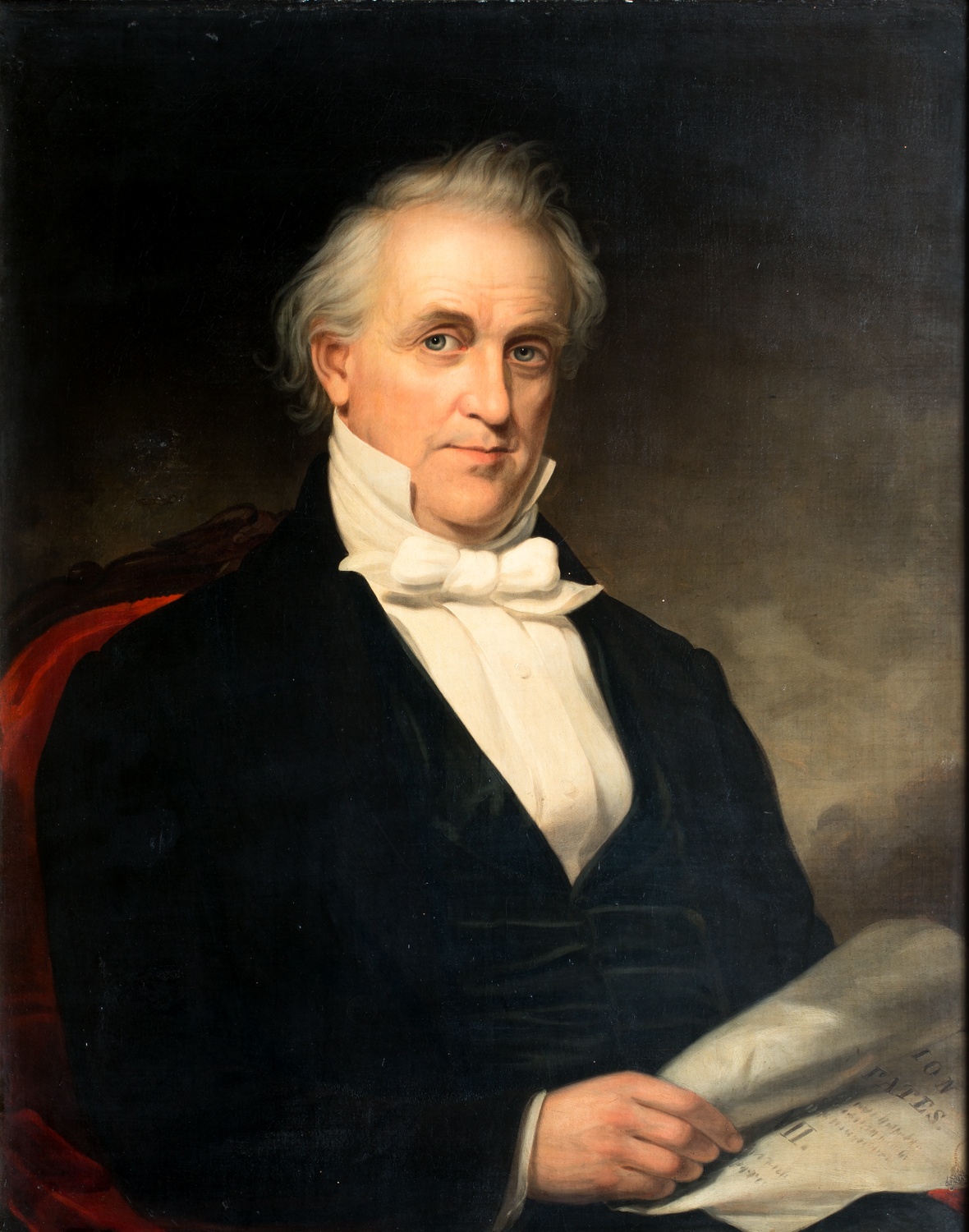
Lyndon Baines Johnson was an American politician and statesman, the 36th President of the United States (1963-1969).
Johnson was from a Texas farming family and graduated from Southwestern State Teachers College (now Texas State University) in San Marcos, Texas. In 1931, he began serving as Secretary of Congress for newly elected U.S. Representative Richard Kleberg. In 1935 Johnson was appointed Texas director of the National Youth Administration, President Franklin D. Roosevelt's New Deal program. Roosevelt, which helped young people find jobs during the Great Depression. In 1937, Lyndon Johnson was elected to the U.S. House of Representatives as a Democrat.
He served briefly in the U.S. Navy during World War II with the rank of lieutenant commander, and was elected to the U.S. Senate in 1948. In 1960, Democratic presidential candidate John F. Kennedy invited Johnson to be his running mate for vice president. He was elected vice president, and after the assassination of President John F. Kennedy, he was sworn in and assumed the presidency on the same day, November 22, 1963.
President Lyndon Johnson soon declared a war on poverty. In the 1964 presidential election, he defeated his Republican rival and introduced a list of new reforms that he was convinced would build a "great society" for all Americans. Johnson also made great strides against racial discrimination, signing the historic Civil Rights Act of 1964 and the Voting Rights Act of 1965.
In foreign policy, however, Johnson could not boast of successes. Increased U.S. military involvement in the Vietnam War and heavy casualties led to a sharp rise in anti-war sentiment in the country. Lyndon Johnson's ratings steadily declined, eventually he refused to run for a second term and in January 1969 returned to his ranch in Texas. He spent the last years of his life as a librarian, writing his memoirs and died at the age of 64. Lyndon Johnson has a reputation as one of the least popular presidents in American history.
![[ÉTAT ET MENU GÉNÉRAL DE LA DÉPENSE].](/assets/image/picture_2735040/c5a9a/d83810beb9c5f3c8e2277956725aa38a1679526000jpg__fix_374_244.jpeg)
![[ÉTAT ET MENU GÉNÉRAL DE LA DÉPENSE].](https://veryimportantlot.com/assets/image/picture_2735040/c5a9a/d83810beb9c5f3c8e2277956725aa38a1679526000jpg__fix_374_244.jpeg)


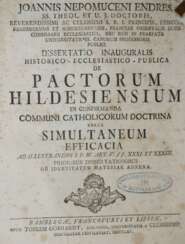

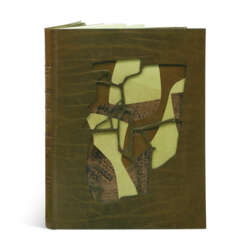



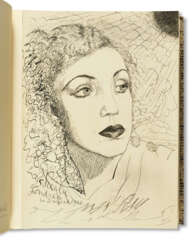

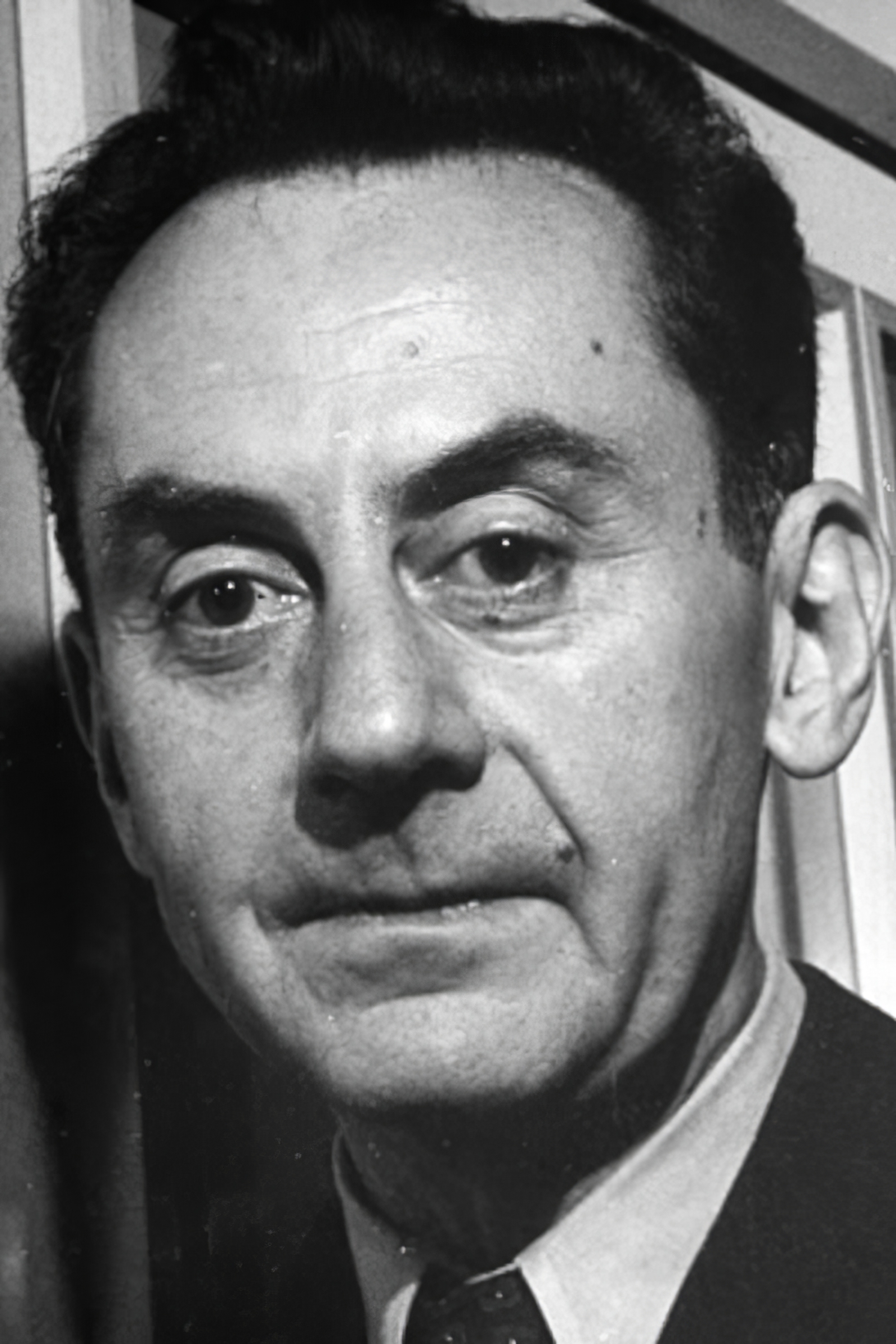
Man Ray, born Emmanuel Radnitzky, was an American visual artist who played a significant role in the Dada and Surrealist movements. His pioneering efforts in photography, alongside his work in painting and sculpture, have cemented his place as a major figure in modern art. Known for his innovative techniques and the ability to convey complex ideas through simple, striking visuals, Man Ray's contribution to the art world is profound.
Throughout his career, Man Ray was celebrated for his avant-garde approach and his ability to transcend traditional boundaries between different artistic mediums. His photography, characterized by experimental techniques such as solarization and rayographs (cameraless photographs), challenged conventional perceptions of photography as merely a means of representation. These artistic innovations made him a central figure in both Parisian and American art circles.
Man Ray's works are housed in some of the world's most prestigious museums and galleries, including the Museum of Modern Art in New York and the Centre Pompidou in Paris. His pieces, such as "Le Violon d'Ingres" and "Noire et Blanche," are iconic images that continue to influence artists today. His ability to blend the abstract with the realistic, and the humorous with the serious, has left a lasting legacy in the world of art.
For collectors and experts in art and antiques, the work of Man Ray offers a glimpse into the revolutionary changes that shaped the visual arts in the 20th century. His unique perspective and pioneering techniques continue to inspire and challenge those interested in the boundaries of creativity and expression.
If you're passionate about the avant-garde, or simply wish to explore the fascinating world of Man Ray further, sign up for our updates. You'll receive alerts on new product sales and auction events related to Man Ray, ensuring you never miss an opportunity to engage with the legacy of this extraordinary artist.